Your landlord can enter your apartment tomorrow morning, let himself in with his own key, and — in most U.S. states — be perfectly within his rights. You don't have to open the door. He doesn't have to knock and wait. He only has to give you "reasonable notice," a phrase that has kept tenant lawyers employed for decades.
That single gap between what renters assume and what the law actually allows is where most disputes start. I've watched friends get evicted over a missed email, fought a deposit deduction down from $1,400 to $200 by quoting one statute, and sat through a small claims hearing where the judge asked the landlord a question he hadn't prepared for. The law was on the renter's side. She just didn't know it.
Here's what every renter should actually know — including the parts nobody explains until it's too late.
Key Takeaways
- Habitable housing, non-discrimination, and the right to your security deposit back are protected in virtually every state — but the timelines and dollar amounts differ wildly.
- Notice before entry is usually required, but the definition of "reasonable" is often 24 hours or "reasonable notice," depending on your state.
- Retaliation is illegal almost everywhere: a landlord cannot raise rent or evict you because you filed a repair complaint.
- Your deposit return window ranges from 14 days to 60 days depending on jurisdiction — know yours before you move out.
- No written lease doesn't mean no rights. It means a month-to-month tenancy, which still carries legal protections.
The baseline rights that exist almost everywhere
Before we get into state-by-state differences, there's a floor that applies in nearly every U.S. jurisdiction, and it's worth knowing because landlords sometimes hope you don't.
The warranty of habitability
A landlord must keep the unit fit to live in. That covers working heat in winter, running water, functioning plumbing, a roof that doesn't leak onto your bed, and reasonable pest control. In most states, if the landlord fails this obligation, you have legal options: repair-and-deduct, rent withholding, or in extreme cases, breaking the lease without penalty.
The catch? You generally can't just stop paying rent and call it a day. You have to follow a procedure — usually written notice, a waiting period, then action. Skip the notice, and the landlord's eviction case gets much stronger.
Freedom from discrimination
Federal law prohibits housing discrimination based on race, color, national origin, religion, sex, familial status, and disability. Many states and cities add protections for source of income, sexual orientation, gender identity, and age. If a landlord refuses to rent to you because you have a Section 8 voucher in a state that protects source of income, that's not a preference — it's a violation.
Your security deposit is not the landlord's money
It's yours, held in trust, and must be returned minus documented damages beyond normal wear and tear. Normal wear and tear includes faded paint, minor carpet wear, small nail holes. It does not include a hole punched in the drywall.
Most states set a deadline — commonly between 14 and 30 days, up to 60 in some. Miss it, and many jurisdictions hit the landlord with double or triple damages.
What are red flags for tenants?
You can spot a bad landlord before you sign. I've learned to watch for these:
- Pressure to skip the walkthrough. A landlord who says "just sign, we'll sort the inspection later" is setting up a deposit dispute you will lose.
- Cash-only rent with no receipts. If there's no paper trail, you can't prove you paid.
- A lease that waves away your right to notice before entry, or demands entry "at any time."
- Verbal promises about repairs that never make it into the contract.
- A landlord who won't put his legal name on the lease — only a company that's hard to track.
- Rent increases that arrive mid-lease with no clause permitting them.
- Questions about your family status, religion, or where you're "really from."
Any one of these alone is worth a second look. Two or more, and I'd walk.
What are the key tenant rights in Texas?
Texas is famously landlord-friendly, but "friendly" doesn't mean "no rules." The state's property code gives renters real protections — they're just narrower than in, say, California or New York.

Your landlord must provide a dwelling that's safe and habitable. If something critical breaks, like the heat in January or the only toilet, you must give written notice, then allow a reasonable time — generally seven days — for repair. After that, you can terminate the lease, repair and deduct, or sue for damages and a rent reduction.
Deposits in Texas must be returned within 30 days of move-out, unless the lease specifies a different period. If the landlord keeps any portion, he owes you an itemized list of deductions. Keep the deduction unreasonable and you can recover three times the amount plus attorney's fees.
One Texas quirk worth remembering: landlords can enter without your consent in emergencies, but for non-emergencies they must give notice. The statute doesn't spell out how much notice — "reasonable" is the standard, and courts have generally read that as at least 24 hours.
What rights do tenants have in Ohio?
Ohio operates under a mix of state statute and common law, which makes it less predictable. The core duties are similar — habitability, no retaliation, proper notice — but the timing matters.
For non-emergency entry, Ohio landlords must give at least 24 hours' notice and enter at reasonable times. That's one of the clearer rules among states and worth knowing if you're dealing with a landlord who likes to "drop by."
Rent withholding is available but strict. You must deposit the rent with the court and give written notice of the conditions you're complaining about. DIY withholding straight into your own savings account is a common mistake and often backfires in eviction court.
Deposits follow a 30-day return window, and there's a specific requirement to provide a written itemization of deductions. Fail that, and the landlord forfeits the right to keep any of it.
What rights do renters have in NC?
North Carolina sits somewhere in the middle. The state's Residential Rental Agreements Act lays out the basics: the landlord must keep the property in fit and habitable condition, comply with housing codes, and maintain plumbing, heating, and electrical systems.
Deposits in North Carolina must be returned within 30 days of the end of the tenancy — or within 15 days if the landlord's only deduction is unpaid rent. That 15-day rule trips up a lot of renters who assume they have the full month.
NC also caps the pet deposit and other non-refundable fees relative to monthly rent, which is unusual among Southern states. If a landlord tries to charge you a "cleaning fee" equal to two months' rent, that's a red flag worth challenging.
One more thing North Carolina does well: it prohibits landlords from shutting off your utilities to force you out. Self-help evictions — changing the locks, removing your belongings — are illegal, and you can sue for damages.
State-by-state quick comparison
| Rule | Texas | Ohio | North Carolina |
|---|---|---|---|
| Entry notice | "Reasonable" (courts often read 24 hrs) | 24 hours | "Reasonable notice" |
| Deposit return deadline | 30 days | 30 days | 30 days (15 if only unpaid rent) |
| Rent withholding | Permitted after written notice | Must deposit with court | Permitted with conditions |
| Retaliation protection | Yes | Yes | Yes |
| Self-help eviction allowed | No | No | No |
Notice how the deposit window is nearly identical across all three. That's a pattern in many states — the returns deadline clusters around 30 days — but the remedies for missing it vary a lot. In Texas, triple damages. In Ohio, forfeiture. In NC, actual damages plus attorney's fees.
What rights do tenants have without a lease?
Plenty. A written lease is not the source of your rights — state law is. Without a lease, you're typically a month-to-month tenant, and you keep the same habitability, non-discrimination, and deposit protections.
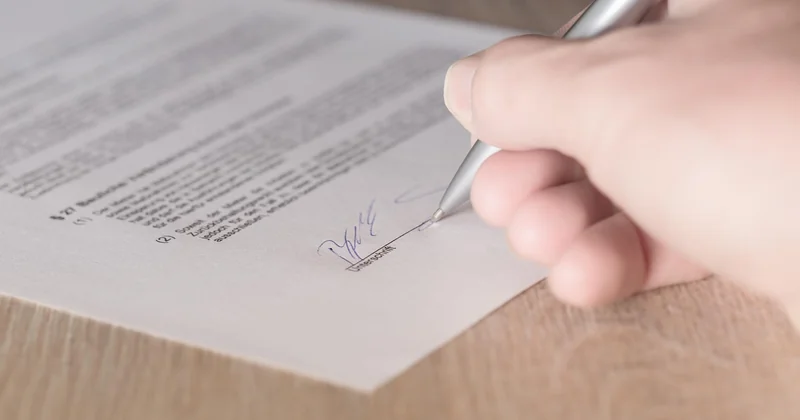
The main difference is notice. Either side can end a month-to-month tenancy with proper notice, usually 30 days, sometimes 60. The landlord still can't evict you without a court order, and still can't enter without notice.
What you lose without a lease is certainty. A fixed-term lease locks in your rent and your right to stay for that period. Month-to-month means the terms can shift with proper notice — including your rent.
If you're renting without a lease, put key terms in writing anyway. Even a single email confirming "rent is $1,400, due on the 1st, and we agreed to fix the water heater" creates a paper trail that has weight in court.
How to act when a right is violated
Most renters don't escalate because they don't know the steps. Here they are, roughly in order:
- Write it down. Date, time, what happened, who was present. Contemporaneous notes matter.
- Send written notice. Email is fine, but a certified letter is harder to deny.
- Give the legally required repair period before escalating.
- File a complaint with your local housing or code enforcement office if it's a habitability issue.
- Small claims court for deposit disputes and damages — no lawyer required in most jurisdictions, and filing fees are usually modest.
I've seen this work. It takes patience, records, and knowing the number in the statute. But it works more often than people think.
The thing about tenant rights is that they're only as strong as the renter who knows them. Landlords count on the gap between what you can prove and what you'll bother to pursue. Close that gap and most disputes end long before a courtroom.
So read your lease. Save your emails. Photograph everything on move-in day. It's not paranoia — it's the cheapest legal insurance you'll ever buy.